
French sports are undergoing a profound editorial restructuring, driven by the fragmentation of TV rights and the emergence of data models in newsrooms. Understanding these changes helps to better interpret sports news, whether it concerns the FIFA World Cup, the Top 14 rugby final, or the Tour de France cycling event.
Sports Data Journalism: What Generalist Portals Don’t Show
Data journalism units have multiplied in French sports newsrooms since 2023-2024. Mapping expected goals (xG), monitoring players’ physical load, and victory probability models: these tools, long reserved for technical staff, now feed live broadcasts and the official apps of the LFP and UEFA.
We observe a clear gap between these specialized media and generalist portals, which often limit themselves to the score and basic statistics. A Ligue 1 match told only by the final result misses the real tactical dynamics.
Predictive models change the way a match is interpreted. An xG of 2.8 for a team losing 0-1 tells a radically different story than the scoreboard. Sports fans in France who follow the news via sosports.fr have access to this type of analysis, where a simple result report is no longer sufficient.
The Anglo-Saxon approach initiated by FiveThirtyEight and The Athletic has laid the groundwork. French newsrooms are adapting these methods to their own leagues, with data constraints that sometimes differ depending on the leagues and federations.
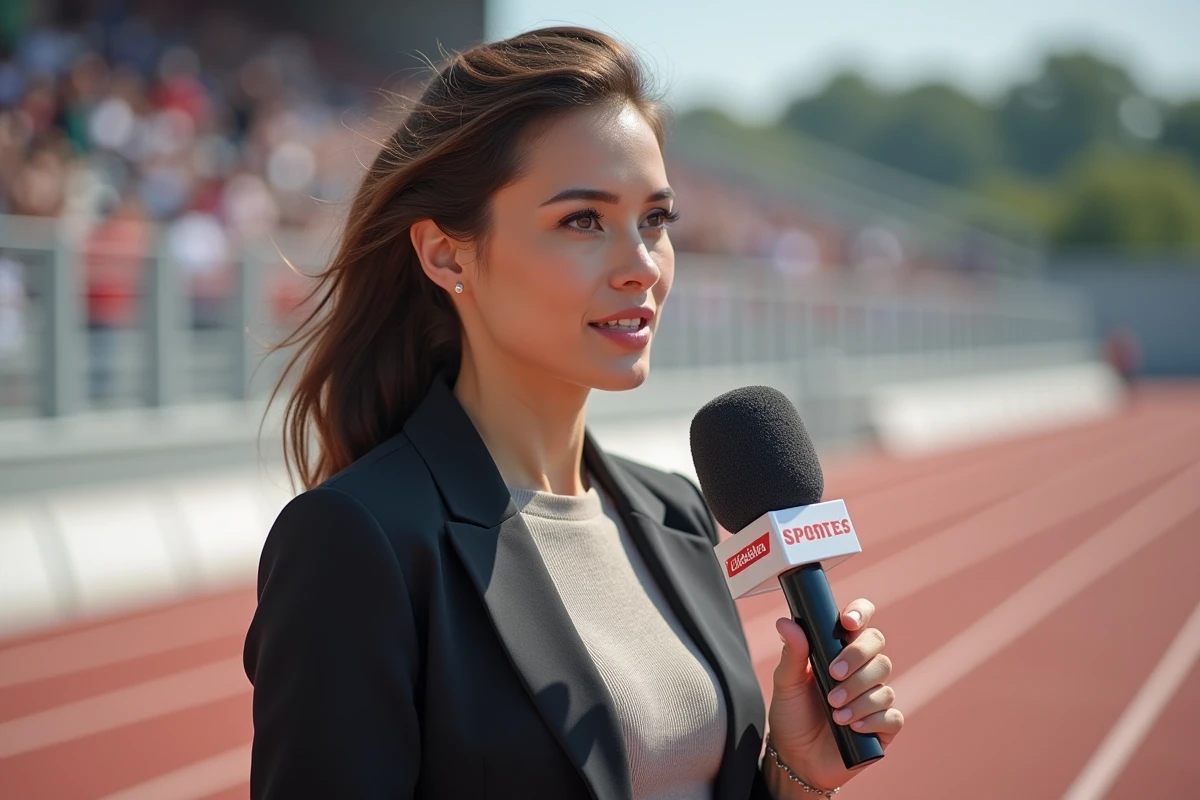
TV Rights for Football and Rugby: The End of Classic Reporting
The renegotiation of Ligue 1 and Champions League rights in the mid-2020s has reshuffled the editorial cards. The restructuring around new OTT players and the fragmentation of matches across multiple platforms have deprived major newsrooms of any exclusivity over images.
The direct consequence: content is migrating towards pre-match and tactical analysis. Formats like “debates,” studio shows, and analyst columns have overtaken simple match summaries. A podcast dedicated to Didier Deschamps’ choices for the French national team sometimes generates more audience than a factual report.
This dynamic also affects rugby. With the Top 14 final in sight, newsrooms are producing analyses of team compositions and projections on half-backs (like the duo Dupont-Ntamack in Toulouse), rather than merely reporting the semi-final result.
What This Means for the Sports Reader
The consumer of sports news must navigate multiple subscriptions to watch matches, but in return, they find a richer editorial analysis offering than five years ago. The media that survive are those that provide a layer of interpretation absent from the video stream.
- Detailed pre-match analysis (likely lineup, form status, head-to-head history) is gradually replacing post-match summaries
- Long-form formats like podcasts allow for the development of angles impossible to cover live, such as recruitment strategies during transfer windows
- Data visualizations (heat maps, passing networks) enrich written articles and retain an expert readership
Regulation of Sports Betting and Editorial Line: An Underestimated Link
The National Gaming Authority (ANJ) has tightened its requirements in recent years, which has direct effects on the editorial treatment of sports in France. The separation between editorial content and betting promotion has become a regulatory obligation, not just an ethical choice.
Several French sports media have had to reassess their partnerships and how they incorporate odds into their articles. A “match odds” box slipped into a World Cup pre-match is no longer trivial: it must comply with strict presentation rules.
For the reader, this evolution is positive. It pushes newsrooms to clearly distinguish sports analysis from betting encouragement. Portals that mix the two lose credibility with an increasingly informed audience.
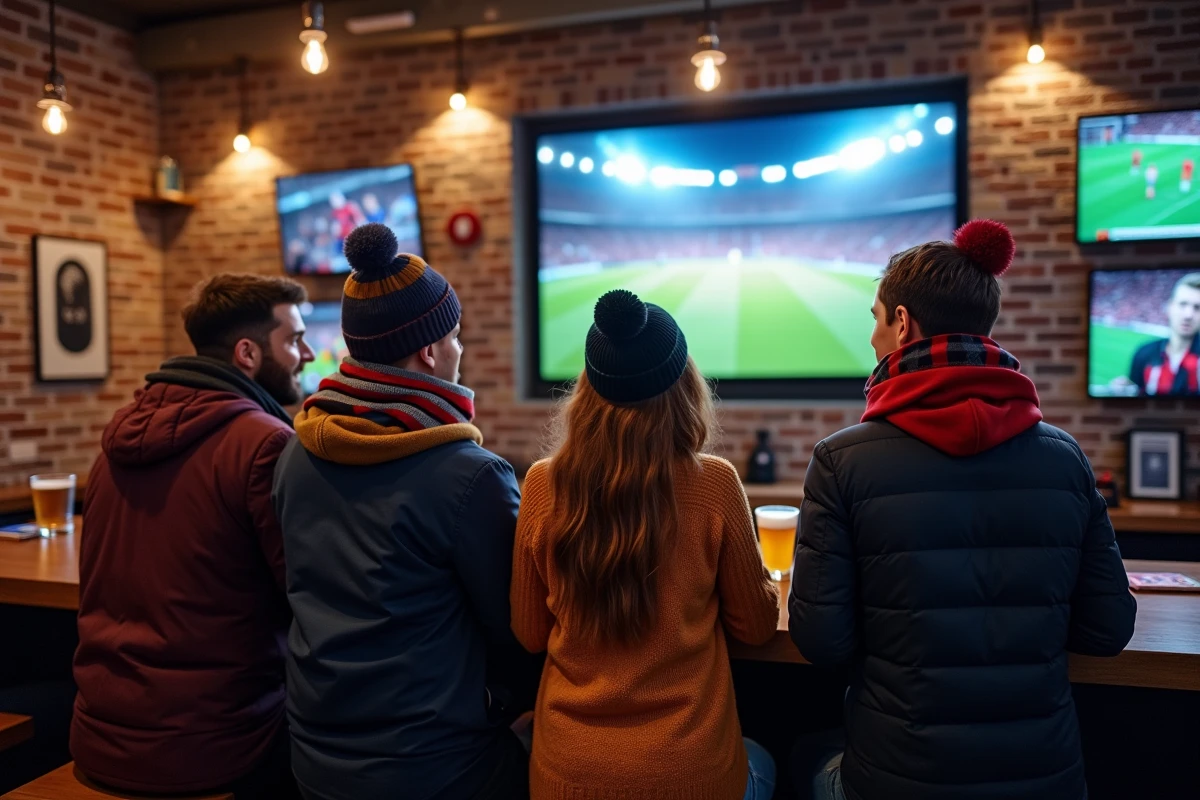
2026 World Cup and Tour de France: Two Editorial Laboratories
The 2026 World Cup and the Tour de France serve as two testing grounds for these new approaches. The football World Cup, with its matches spread across multiple time zones, requires French newsrooms to produce asynchronous content: enriched summaries, analysis threads, short videos.
The Tour de France pushes the data logic even further, with sensors embedded on riders that feed real-time data streams. Power output, heart rate, and climbing speed become integral narrative elements.
Formats Emerging from These Events
- Daily newsletters targeted by sport (football, rugby, cycling) allow for tracking without relying on a social media algorithm
- Live broadcasts enriched with advanced statistics replace simple score feeds
- Long-form narratives about the journeys of French athletes (from the Blues in the national team to the Tour riders) retain a readership that raw results no longer capture
Basketball, tennis, and combat sports also benefit from this rise in editorial quality, even though football and rugby still capture the majority of media attention in France.
French and international sports news is now read through an analytical lens. Media that invest in data, analysis, and long formats build a sustainable advantage over those that stick to the news report model. The sports reader gains depth, provided they know where to look.