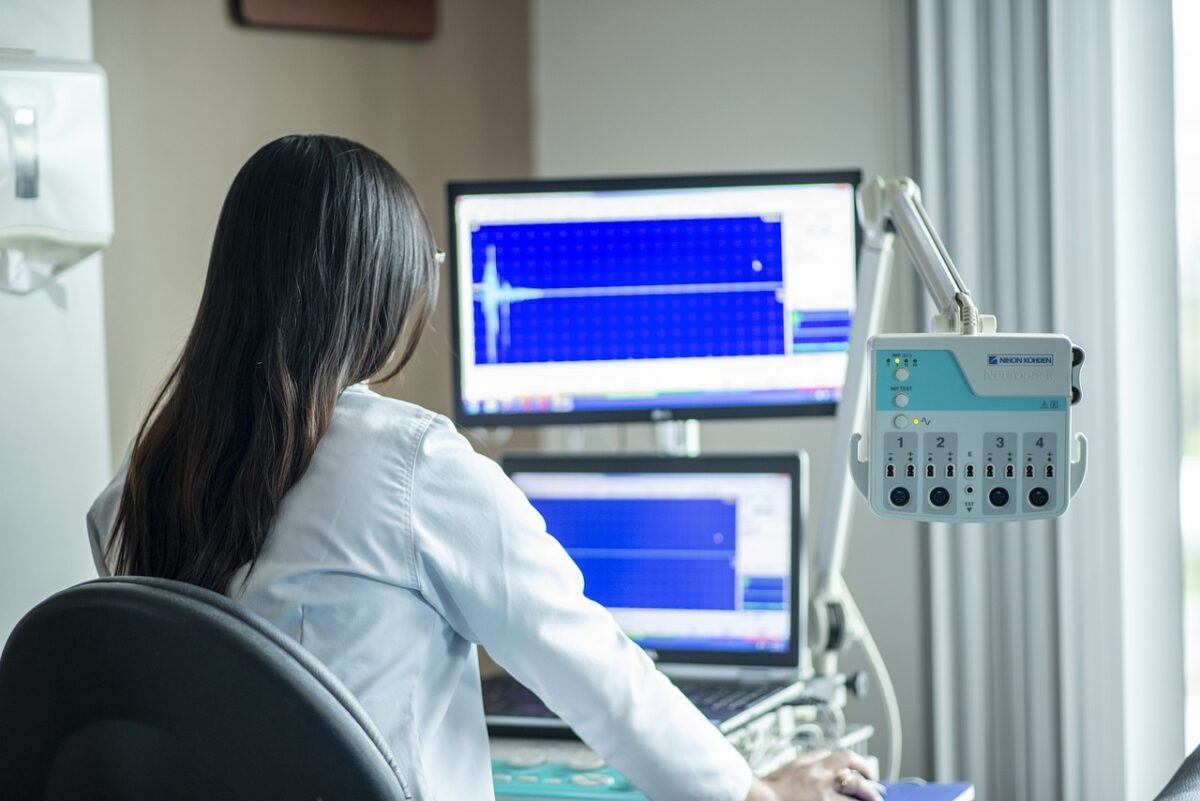
The sale of medical equipment represents a rapidly growing sector, requiring specific skills and in-depth expertise. To succeed in this demanding field, it is essential to undergo appropriate and comprehensive training. Between technical aspects, knowledge of anatomy and physiology, and commercial skills, the training to become a medical equipment salesperson is varied and rigorous.
Understanding the Basics of Medical Equipment
Before diving into the specifics of the training, it is essential to understand the basics of medical equipment. Knowing the different categories of products and their uses is fundamental to selling them effectively.
- Diagnostic Equipment: Stethoscopes, blood pressure monitors, thermometers, etc.
- Care Supplies: Bandages, syringes, infusions, etc.
- Rehabilitation Equipment: Bandages, orthoses, prostheses, etc.
- Surgical Instruments: Scalpels, forceps, surgical scissors, etc.
A thorough knowledge of these equipment allows salespeople to guide clients towards the products best suited to their specific needs.
Academic Training and Specialization
To embark on a career in the sale of medical equipment, a solid academic background is an essential asset. Several pathways allow for the acquisition of the necessary skills.
- Bac 2/3: A diploma in biology, medical sciences, or health technologies provides a solid foundation for understanding products and their use.
- Bac 5: A Master’s degree in health management, business, or medical device management allows for further specialization and aims for positions of responsibility.
- Specialized Training: Specific courses in the sale of medical equipment, offered by specialized schools, provide targeted training tailored to market demands.
These academic trainings are often complemented by internships and practical experiences to familiarize oneself with the products and gain true expertise.
Technical Skills and Medical Knowledge
The sale of medical equipment requires excellent mastery of technical aspects and in-depth knowledge of human anatomy and physiology. Technical skills and medical knowledge are essential to ensure that the products sold meet the expectations of healthcare professionals and patients.
Here are some key skills:
- Understanding the operation of equipment and their use in a medical context.
- Mastering current safety and compliance standards for medical devices.
- Being able to explain the technical characteristics of products to clients clearly and precisely.
- Possessing knowledge of human anatomy and physiology to better advise healthcare professionals.
These skills help to gain credibility with clients and retain them by offering relevant advice tailored to their specific needs.
Developing Commercial Skills
In addition to technical and medical skills, the sale of medical equipment also requires commercial skills to succeed in this competitive field. Commercial skills are essential for attracting new clients and retaining existing ones.
To excel as a medical equipment salesperson, it is recommended to develop the following skills:
- Sales Techniques: Mastering prospecting, negotiation, and closing techniques.
- Client Relationship: Knowing how to establish and maintain a trusting relationship with clients by listening attentively and responding to their specific needs.
- Marketing: Understanding marketing strategies to effectively promote products and attract new clients.
- Inventory Management: Knowing how to manage product stocks to avoid shortages and ensure constant availability of equipment.
By combining these commercial skills with technical and medical expertise, medical equipment salespeople can stand out and succeed in this demanding sector.
To embark on a career in the sale of medical equipment, it is essential to undergo comprehensive training that combines academic knowledge, technical skills, and commercial abilities. Mastery of equipment, safety standards, and sales techniques allows one to meet client expectations and distinguish oneself in a competitive market. By investing in appropriate training, future medical equipment salespeople can ensure they possess the necessary skills to succeed and thrive in this exciting profession. Opportunities in this rapidly growing sector are numerous, and solid training is the key to fully seizing them.