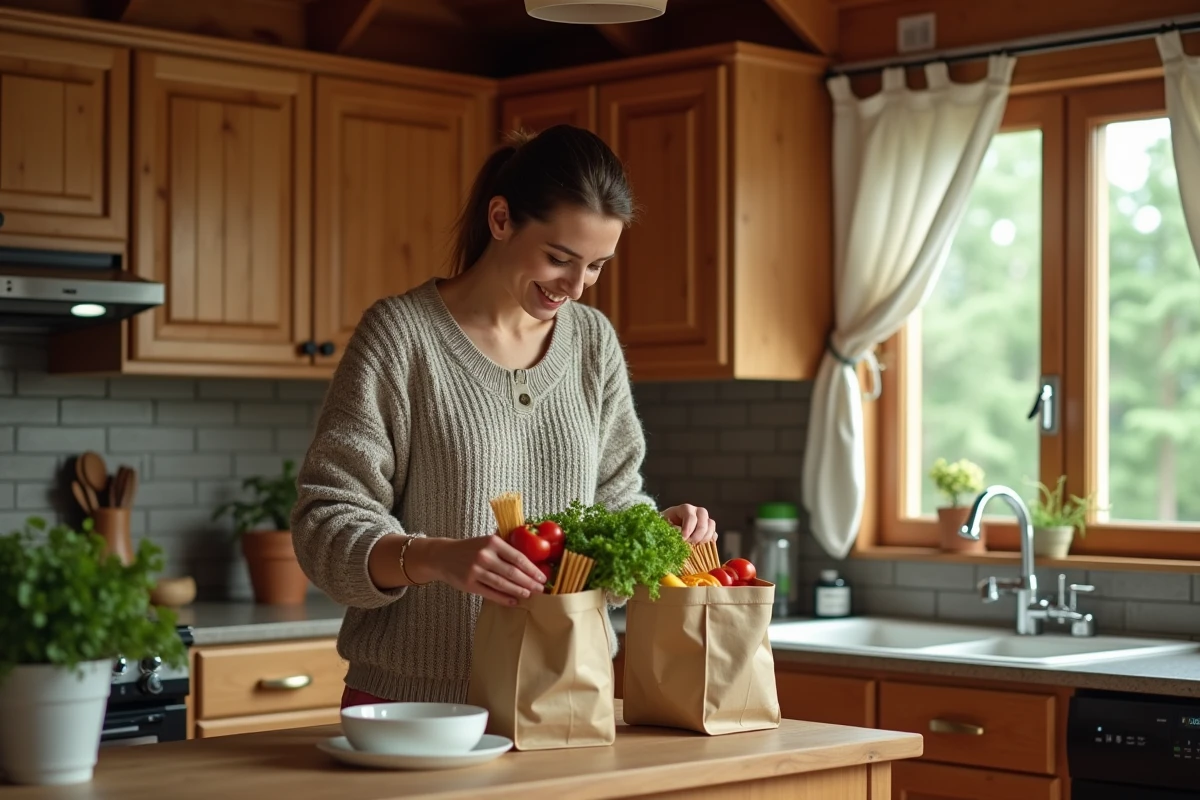
Preparing a stay at Center Parcs involves addressing a question that often takes a back seat: that of food on-site. The cottages come with a fully equipped kitchen, the markets integrated into the domains offer a basic assortment, and the restaurants complement the offer. The choice of whether to cook or not significantly affects the overall budget of the stay, the volume of luggage, and the pace of family days.
Reusable packaging and logistical constraints from January 2026
Since January 2026, a regulatory change has altered the way shopping is done at Center Parcs domains. Decree No. 2025-1123 of December 10, 2025, has led to the ban on single-use plastic packaging in Center Parcs markets. Plastic bags, disposable trays, and cutlery have disappeared from the shelves.
This constraint has direct consequences on the preparation of the stay. Planning for reusable bags, airtight containers, and containers for leftovers becomes a reflex to integrate into luggage. Families who intended to buy all their supplies on-site find themselves facing a transport issue between the market and the cottage, especially without disposable bags available.
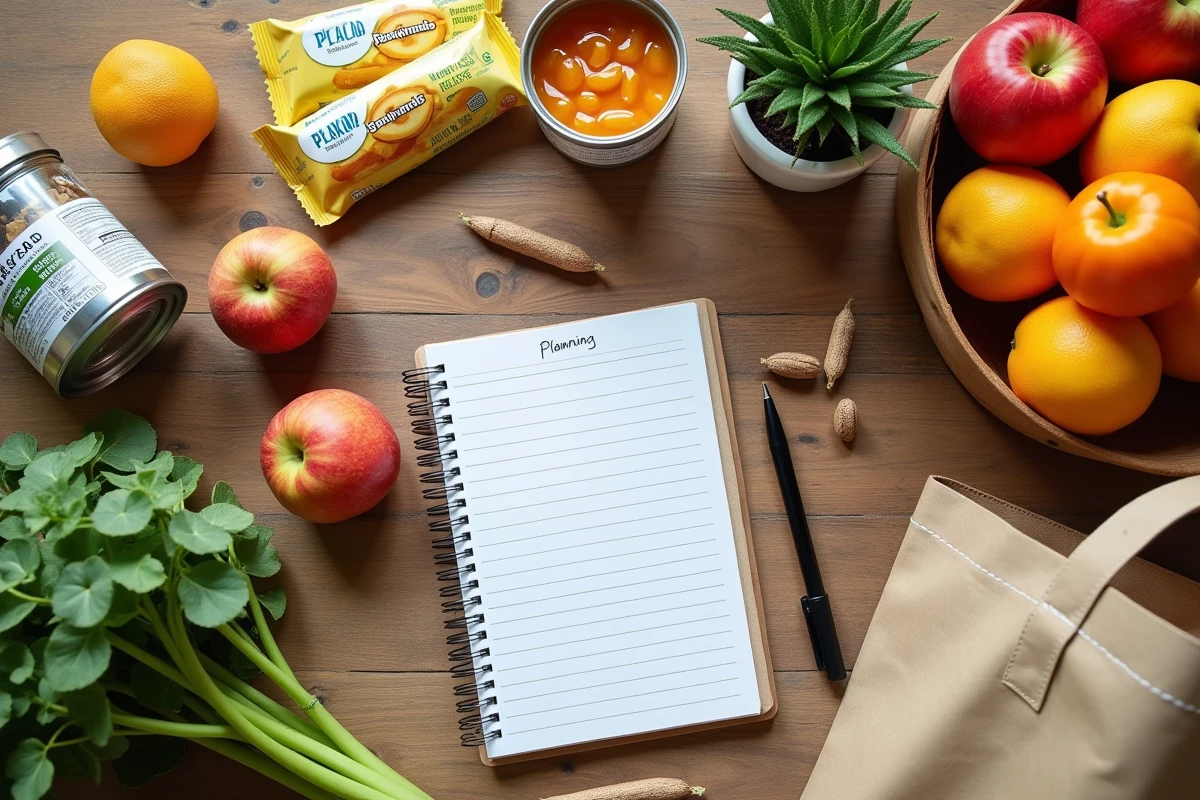
To anticipate this logistics, creating a shopping list and meal ideas for Center Parcs before departure allows for precise calibration of the necessary containers. A rigid cooler bag and three or four stackable boxes are enough to cover trips to the market without unpleasant surprises.
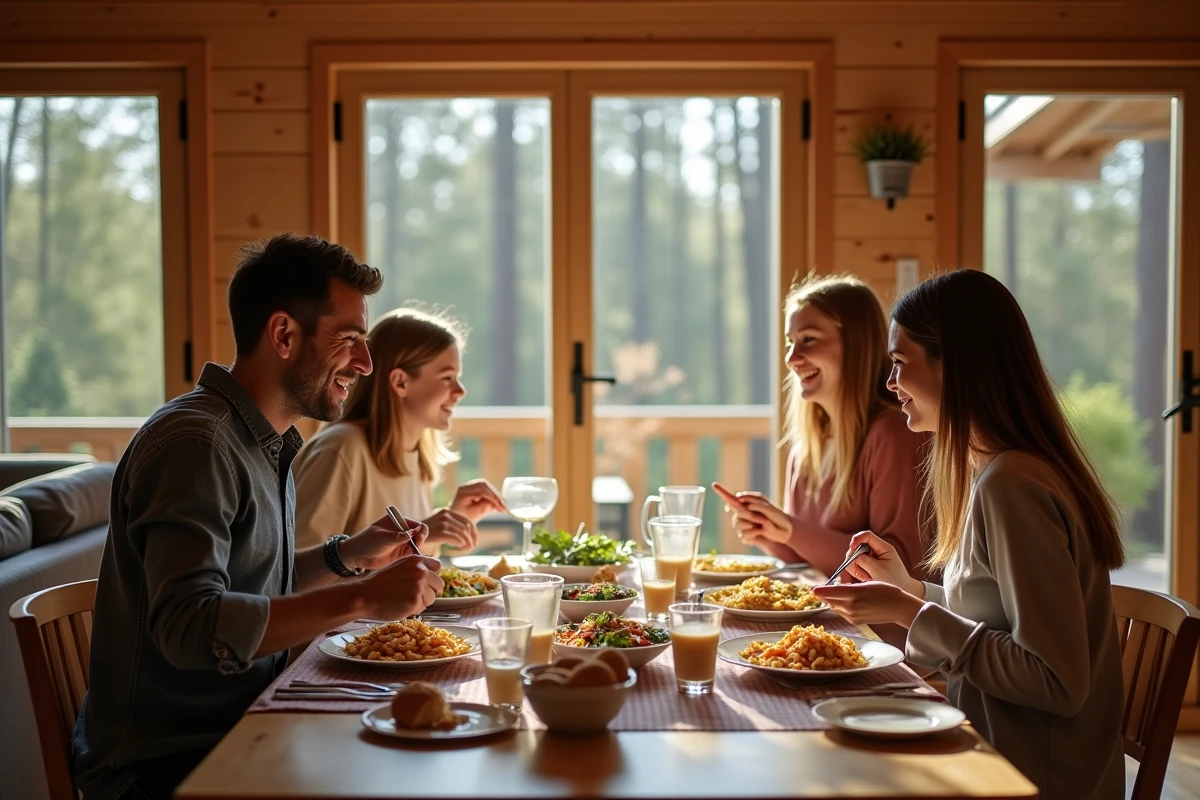
Shopping in low season: local markets or domain market
The price gap between Center Parcs markets and nearby shops remains a recurring topic among visitors. According to a comparative study by UFC-Que Choisir published in spring 2026, the prices at the on-site market are inflated by 15 to 25% compared to external brands.
In low season, this gap widens even further for fresh products. The outdoor markets in neighboring municipalities, active even outside the summer period, display prices for fruits, vegetables, and cheeses about 30% lower than those practiced in the domains. The quality of local products is often superior, with short supply chains that the market cannot replicate.
What to buy outside and what is better to take on-site
The domain market remains useful for emergency purchases, morning bread, and specific products for young children. However, proteins (meat, fish), standard dairy products, and seasonal fruits are better bought before arrival or during a car trip.
- Products to buy outside: fresh meat, seasonal fruits and vegetables, local cheeses, farm eggs. The budget savings justify a twenty-minute detour.
- Products to take from the domain market: fresh bread, milk, butter, forgotten essentials. Prices for these basics remain acceptable.
- Products to bring from home: spices, olive oil, favorite coffee or tea, breakfast cereals. These items take up little space and cost much more on-site.
Infant dairy products: anticipating stock shortages
A point of friction reported by visitors in 2026 concerns products intended for babies. Analysis of Trustpilot reviews on Center Parcs France, updated in April 2026, reveals a spike in complaints about stock shortages of infant dairy products, particularly after the Easter holidays.
Liquid ready-to-use infant milk, baby jars, and fruit purees quickly disappear from the shelves when the occupancy rate of the domain increases. On-the-ground feedback varies on this point: some domains restock daily, while others operate with less frequent deliveries in low season.
The most reliable solution remains to bring long-lasting formats. UHT infant milk cartons, fruit puree pouches, and ambient temperature baby jars withstand transport without a cold chain. Planning for three to four days of baby food autonomy covers situations of stock shortages without stress.
Meal ideas suited to the Center Parcs cottage kitchen
The cottages are equipped with cooking plates, a refrigerator, pots, and a minimum of dishes. The equipment varies according to the chosen range, but the standard configuration allows for the preparation of complete meals without additional equipment.
The classic pitfall is planning overly ambitious recipes. On vacation, the time spent on activities (Aqua Mundo, forest games, bike rides) reduces the available window for cooking. Meals that take twenty to thirty minutes are better suited to the pace of family days.
Three formulas that work for a four-day stay
- Fully self-sufficient breakfasts: cereals, toast, fresh fruits, and yogurts bought outside. The breakfast budget at the domain restaurant for a family of four far exceeds that of a stock of provisions for the entire week.
- Light lunches at the cottage between activities: filled wraps, composed salads, quiches prepared the day before. These meals require only a cutting board and a mixing bowl.
- Simple yet hearty dinners: pasta with pesto and sautéed vegetables, potato gratin, roast chicken bought at the local market. A single hearty dish effectively replaces a three-course menu when the kids are exhausted after the pool.
The kitchen space in the cottage, even in standard ranges, is sufficient for this type of meal. The same UFC-Que Choisir study notes that Pierre et Vacances cottages offer about 20% more kitchen space, but this difference does not fundamentally change the culinary possibilities for a short family stay.
Adapting the shopping list to the actual pace of the stay, shopping smartly outside the domain, and planning for autonomy on sensitive products like infant food: these three considerations weigh more heavily on the success of a stay than the choice of the cottage itself. The food budget can vary from simple to double depending on the level of preparation, and this difference is determined before departure.