The personal wellness segment shows double-digit growth every year, despite an apparent market saturation. Some brands, launched less than a decade ago, are already competing in notoriety with historical groups worth several billion euros. Unexpected alliances between distributors and manufacturers regularly reshape the competitive landscape, blurring the lines between luxury, natural, and accessibility.
Differentiation strategies, once reserved for the high-end, are now being adopted by mid-range brands. The boundaries between skincare, perfumery, and lifestyle are fading, forcing everyone to reinvent their market presence.
Overview of Major Competitors of Rituals in Beauty
It is impossible to ignore the speed at which the beauty market is transforming. New beauty brands are flourishing, driven by insatiable consumers and ever-reinventing trends. While the global market continues to expand, France and Europe defend their place, guided by a commitment to demanding skincare, natural products, and the rise of organic labels. Industry giants, equipped with an omnichannel network, maintain control, but outsiders are accelerating the pace and shaking up the established order.
The main competitors of Rituals are brimming with fresh ideas: sensory immersion, commitment to clean beauty, choice of fair trade ingredients, and innovative, highly refillable packaging. Some historical brands, firmly established in the French beauty market, rely on trust capital and the proximity of their points of sale. Others, younger, stand out with sharp digital marketing and claimed transparency regarding their compositions.
In this dynamic cosmetics market, customer experience reigns supreme: personalized diagnostics, tailored routines, subscriptions, or beauty boxes attract a clientele in search of novelty. The desire for responsible products that respect biodiversity and naturalness propels brands labeled Cosmébio or Ecocert. Through this competition, we measure the extent of a sector where standing out comes down to quality, renewal of offerings, and claimed authenticity.
What Specificities Distinguish These Brands in the Cosmetics Market?
To carve out a place for themselves, cosmetic brands deploy treasures of inventiveness. The rise of clean beauty and the demand for transparency are disrupting habits. The resurgence of natural products and the selection of ingredients from responsible sources mark a profound turning point in the industry. In France as well as across Europe, the quest for naturalness is imposed, driven by labels like Cosmébio or Ecocert, synonymous for many with a commitment to biodiversity and rigorous traceability.
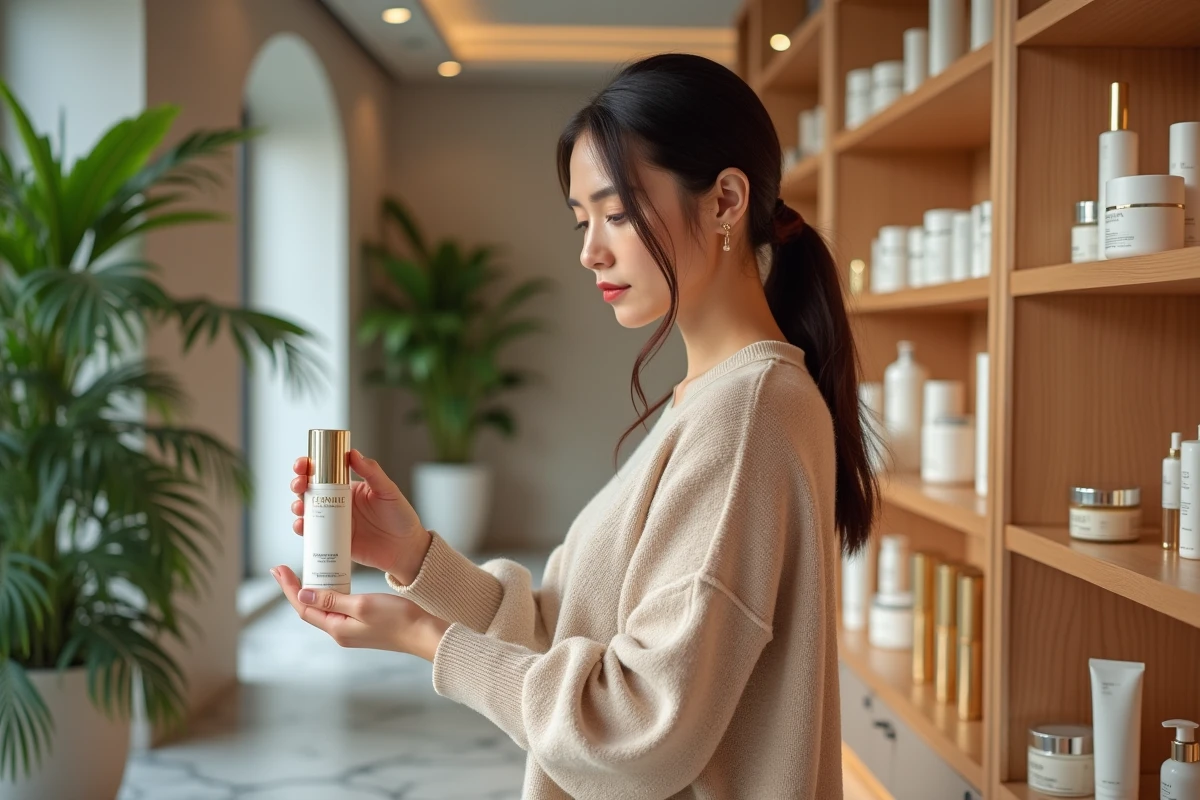
In stores, the customer experience takes on a new dimension: tailored advice, personalized diagnostics, immersive spaces where one relearns to take care of oneself. Many brands invest in sensory rituals, transforming the purchase into a true wellness break. Innovation doesn’t stop there: reflection on packaging (recycled, refillable, lightweight), promotion of fair trade, and rigorously sourced natural ingredients form the new equation of the sector.
Here are some trends that stand out today:
- Emphasis on the transparency of formulas and education around ingredients
- Active search for organic labels and recognized certifications
- Development of personalized skincare products tailored to each skin type
- Specific offerings for sensitive skin, now at the heart of the ranges
Differentiation crystallizes in the ability to meet every expectation, every profile. The cosmetics market thus enriches itself with a claimed diversity, where each brand cultivates its identity, balancing innovation, ecological awareness, and reinvented sensory experience.
Discovering New Beauty Experiences Inspired by Competition
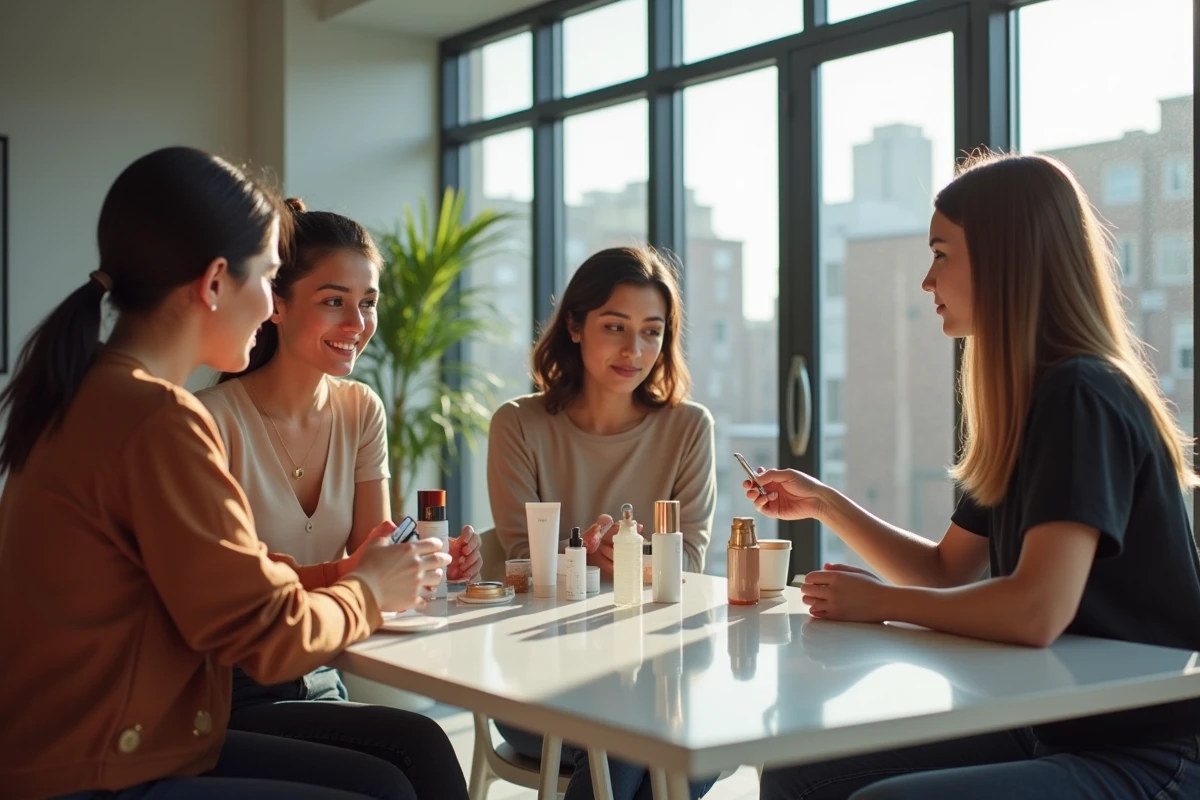
The world of the beauty market is moving at breakneck speed. Beauty brands are racing to enchant the beauty routine and transform it into a field of exploration. Customers, more curious than ever, demand customized care and flexible beauty subscriptions, often offered in the form of beauty boxes. This model appeals, renews the shopping experience, and multiplies opportunities to test innovative products over the weeks.
In response to these expectations, distribution is reinventing itself. Stores are adorned with sleek designs, express skin diagnostics are becoming widespread, and personalized rituals are becoming commonplace. The demand for natural care and refillable products imposes new standards. Emerging brands, often born online, focus on simplicity, traceability, and unvarnished transparency about their ingredients. Through their boldness, they accelerate the transformation of the cosmetic market and challenge established codes.
Here are some changes that are redefining the beauty experience:
- Development of multi-sensory beauty rituals to engage all senses
- Increased personalization of routines through diagnostics and specific advice
- Active promotion of refillable products and reduction of unnecessary packaging
The landscape is expanding, and the relationship between customer and brand is evolving. Stores are becoming spaces for exchange, advice, and discovery, far from being just points of purchase. This dynamic, a driver of the global market, shapes a new era where every care counts, and every experience leaves a mark. The beauty ritual is no longer a trivial gesture, but a chosen, thoughtful act, reinvented with each visit.