
In France, the pet health insurance market remains marginal compared to other European countries. The majority of dog and cat owners cover veterinary expenses out of their own pockets, often without anticipating the actual cost of an accident or a chronic illness.
The law of November 30, 2021, on animal abuse has strengthened the obligations related to pet ownership (commitment certificate, regulation of sales), which mechanically raises expectations regarding care. Taking out pet insurance then becomes a question of financial management rather than comfort.
Waiting periods and exclusions: what the contract doesn’t say in bold
Before comparing insurance plans for dogs or cats, one point deserves careful reading: waiting periods. Most contracts impose a period, after subscription, during which no reimbursement is possible. This duration varies depending on whether it is an accident or an illness, and according to the insurer.
Exclusions pose a similar problem. Certain breeds predisposed to hereditary conditions (dysplasia in German Shepherds, respiratory problems in French Bulldogs) may have these conditions excluded from the contract. Field reports vary on this point: some insurers partially cover these conditions, while others completely exclude them.
Reading the general conditions, as tedious as it may be, remains the only way to know what will actually be covered. To delve into the differences between contracts, pet insurance on Syntonie Animale details the criteria to examine before committing.
Prevention package: vaccines and antiparasitics within the insurance scope
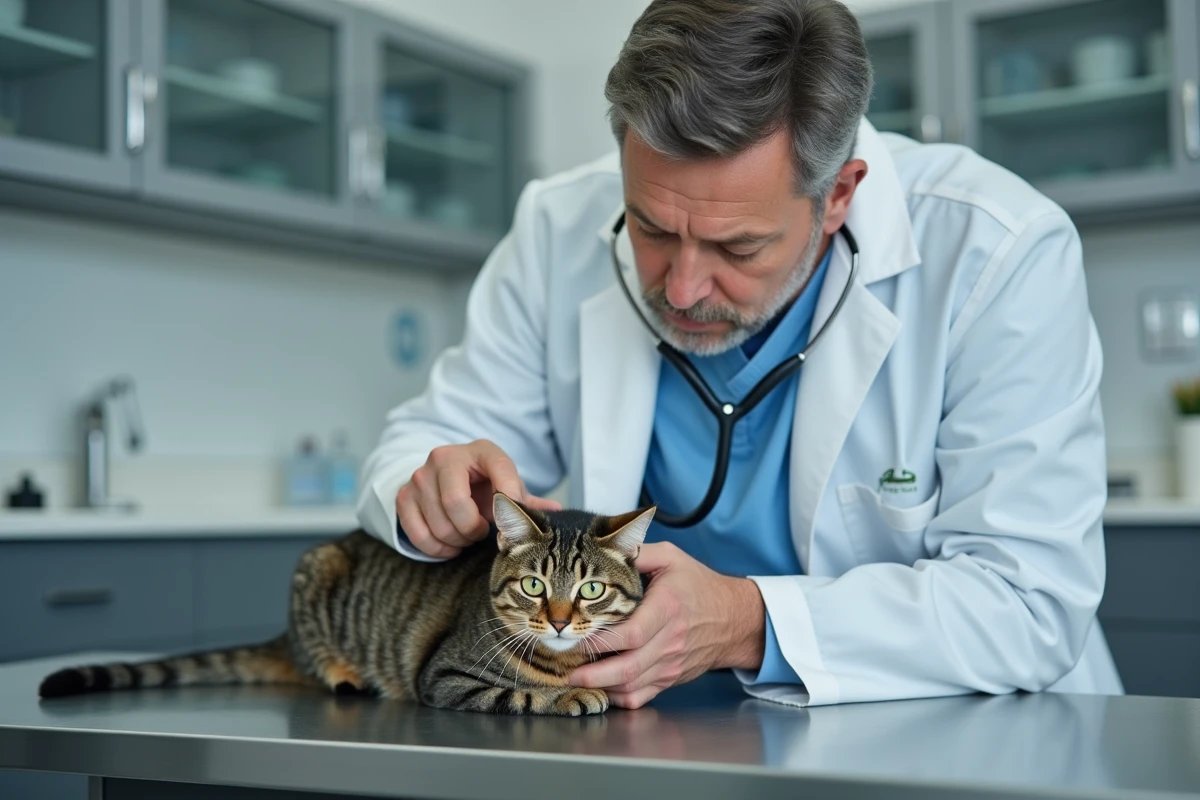
The most notable evolution in recent years concerns the integration of prevention into contracts. Insurers like Bulle Bleue now offer a prevention package covering vaccinations, dental cleanings, and antiparasitics, regardless of any accident or illness.
This change alters the economic calculation. An owner who vaccinates their dog annually, administers regular antiparasitic treatments, and conducts an annual health check incurs a significant recurring budget. When the pet insurance contract includes these actions, the monthly premium absorbs part of these predictable expenses.
However, not all prevention packages are created equal. Some cap reimbursements at a modest annual amount, while others exclude blood tests or dental exams. The prevention package does not replace a precise reading of the coverage limits and covered actions.
Pet insurance and multi-pet ownership: offers for families with multiple companions
Households that host two or more pets face a multiplication of veterinary expenses. Some insurers have adapted their offers to this reality. Santévet, for example, offers a plan accessible from two animals (dogs, cats, or small pets), with a financial advantage compared to taking out individual contracts.
The interest of these multi-pet offers depends on several factors:
- The age and health status of each animal, which determine the premium amount and possible exclusions
- The type of animals covered, as small pets (new pets) are often less well covered than dogs and cats in most contracts
- The annual reimbursement limit, which can be pooled or individualized depending on the plans
A multi-pet contract is only advantageous if each animal benefits from a sufficient reimbursement limit. A shared global limit among three animals may prove insufficient in the case of a serious condition in one of them.
Personal savings or pet health insurance: two logics to confront

The question arises regularly: would setting aside an amount each month equivalent to the insurance premium not be more profitable? The answer depends on the pet’s profile and the owner’s risk tolerance.
Savings work if the pet remains healthy for several years. The accumulated capital then covers routine care and sometimes generates a surplus. However, a major surgical intervention (stomach torsion, complex fracture, tumor) can represent several thousand euros, an amount that savings may not have had time to accumulate if the problem arises in the early years.
Insurance, on the other hand, mutualizes the risk from the first month. The owner pays a regular premium and benefits from reimbursement even if the incident occurs shortly after the end of the waiting period. Available data does not allow for a conclusion that one strategy is systematically superior to the other: it all depends on the expected veterinary expenses related to the breed, age, and lifestyle of the pet.
Criteria for choosing a dog or cat insurance contract
Comparing pet insurance plans requires looking beyond just the monthly premium amount. Several parameters determine the actual quality of coverage:
- The reimbursement rate and annual limit, which set the maximum amount covered in a year
- The list of exclusions, particularly hereditary diseases, pre-existing conditions, and non-covered actions
- The waiting period applied to accidents and illnesses, which can range from a few days to several weeks
- The presence or absence of a prevention package, and the actions it actually includes
- The conditions for cancellation and the evolution of the premium with the age of the animal
This last point deserves attention. The premium often increases with the age of the animal, sometimes significantly after seven or eight years. Some insurers even stop covering animals beyond a certain age, which requires anticipating this deadline right from the subscription.
The choice of health insurance for a pet ultimately relies on a trade-off between the desired level of coverage, the acceptable monthly budget, and the risk profile specific to each animal. No plan suits all cases, and reading the contract remains the only guarantee against unpleasant surprises when making a reimbursement request.